Full, well-defined lips have long been associated with youth and beauty. While some people are naturally blessed with this feature, others look to cosmetic treatments to enhance volume, shape, and symmetry. Lip augmentation has become one of the most popular non-surgical cosmetic procedures, offering quick results with minimal downtime. As techniques evolve, the focus has shifted toward creating natural, balanced outcomes that suit each individual’s facial features.
Lip augmentation can be achieved through a variety of methods, but dermal fillers remain the most common approach. These fillers are typically made from hyaluronic acid, a substance naturally found in the skin that helps retain moisture and create a plump appearance. Brands vary, with some designed for subtle hydration and others for more noticeable volume. The versatility of fillers means that results can be tailored to the client’s preferences and anatomy.
One of the biggest trends in lip augmentation today is the move toward subtlety. Overfilled, artificial-looking lips are no longer in style. Instead, people are seeking enhancements that complement their overall look. This often involves adding just enough volume to smooth out fine lines, correct asymmetry, or slightly increase fullness without making the lips the focal point of the face.
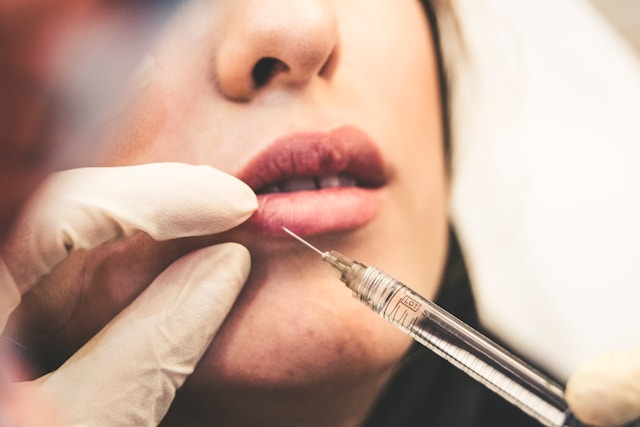
The treatment process is relatively quick, often taking less than an hour. After a consultation to discuss goals and assess facial proportions, a numbing cream or local anesthetic is applied to minimize discomfort. The filler is then injected using fine needles or cannulas, and the practitioner may massage the lips to ensure even distribution. Results are visible immediately, though there may be mild swelling or bruising for a few days.
Longevity varies depending on the product used, the individual’s metabolism, and lifestyle factors. Most hyaluronic acid-based fillers last between six months and a year before gradually being absorbed by the body. Regular touch-ups can help maintain results over time.
If you’re exploring treatment options, it’s worth reading up on lip augmentation to understand the techniques available, potential side effects, and how to choose the right approach for your goals. Being informed before your consultation allows you to communicate clearly with your practitioner and make decisions with confidence.
As with any cosmetic procedure, there are risks. Temporary side effects can include swelling, tenderness, and bruising at the injection site. Rare complications, such as infection or vascular occlusion, highlight the importance of choosing a qualified and experienced provider. An expert injector understands facial anatomy and uses precise techniques to minimize risks and achieve balanced results.
Some patients choose to combine lip augmentation with other treatments, such as dermal fillers in surrounding areas, Botox for a lip flip, or skin treatments to improve texture and tone. This can create a more harmonious overall result and enhance facial symmetry.
Maintenance is an important consideration. Even though fillers are temporary, consistent upkeep can ensure a lasting, youthful appearance. Adopting good skincare habits, staying hydrated, and protecting lips from sun damage can also help prolong the effects.
Ultimately, the goal of modern lip augmentation is not to drastically alter your appearance, but to enhance what you already have. When done well, the results are soft, natural, and tailored to your unique features. With the right practitioner, the procedure can boost confidence while maintaining the authenticity of your look.