Retirement often changes the rhythm of daily life. Without the fixed schedule of a full-time job, many seniors have more freedom to choose how they spend their time. Their activities vary depending on health, finances, interests, family responsibilities, and where they live.
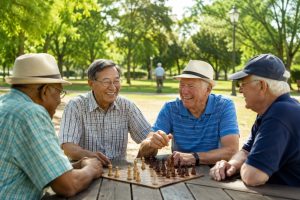
Many seniors spend a significant part of their day with family and friends. Grandparents may help care for grandchildren, attend family gatherings, or simply enjoy regular visits and phone calls. Friendships can also become an important part of everyday life. Some seniors meet friends for coffee, meals, walks, religious services, or community activities.
Hobbies are another common way seniors use their free time. Gardening, reading, cooking, fishing, sewing, woodworking, photography, and playing music can provide enjoyment and a sense of purpose. Retirement may also give people the chance to return to interests they did not have enough time for while working.
Physical activity is important for many older adults. Walking is especially popular because it is simple and can be adjusted to different fitness levels. Some seniors also swim, ride bicycles, practice yoga, play golf, or attend exercise classes designed for older adults. Staying active can support mobility, strength, and overall health.
Many seniors also volunteer. They may help at libraries, hospitals, schools, food banks, churches, animal shelters, or local nonprofit organizations. Others continue working part-time, either because they enjoy staying involved in their profession or because they want additional income.
Technology has also become part of daily life for many seniors. Smartphones, tablets, and computers allow older adults to communicate with family, watch movies, read news, play games, shop, manage finances, and participate in online communities. Video calls are especially useful for staying connected with relatives who live far away.
Travel is another popular activity among seniors who have the health and financial resources to do it. Some take road trips, cruises, or international vacations, while others prefer shorter visits to nearby cities, parks, museums, or family members.
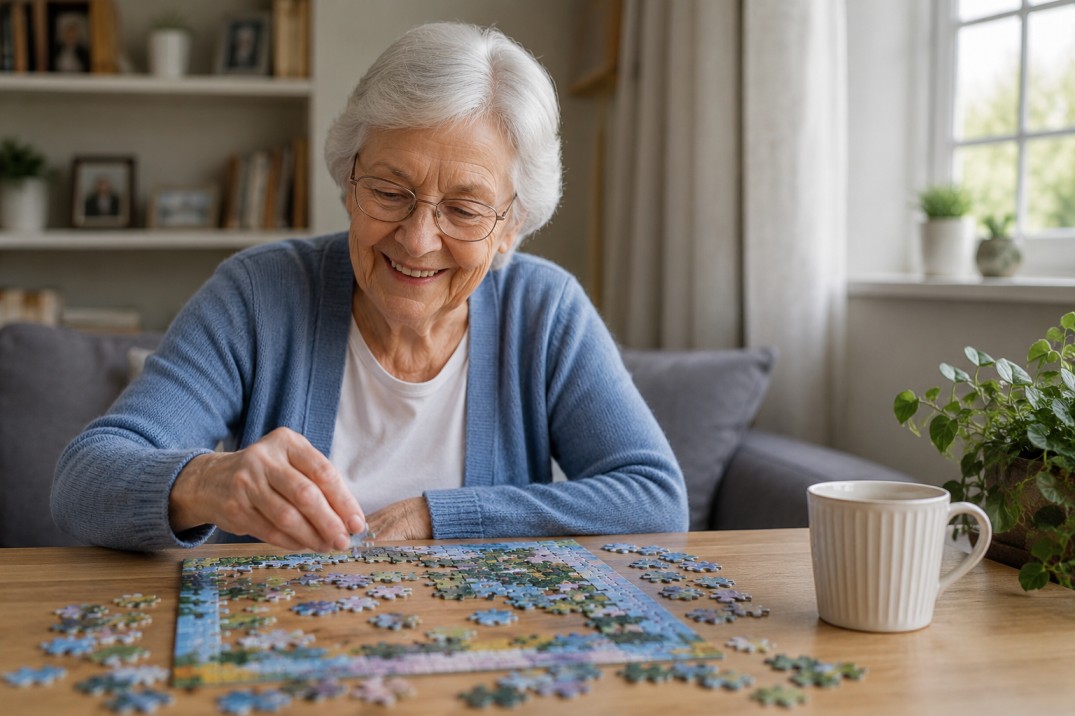
At the same time, many seniors enjoy quieter routines at home. Watching television, listening to music, doing puzzles, caring for pets, preparing meals, and resting can fill much of the day. Some also take classes or attend lectures to learn new skills and keep their minds active.
There is no single way seniors spend their time. Some prefer busy schedules filled with travel, volunteering, and social activities, while others enjoy slower and more private routines. For many older adults, retirement provides greater control over daily life and more time for relationships, interests, health, and activities they find enjoyable.