Are you looking for a way to make your home stand out and express your style? Maybe you’ve just moved into a new house, or perhaps you’ve been in the same place for years and are now wanting to revitalize the space. Regardless of why, discovering your home’s perfect style can be challenging. But it doesn’t have to be! With this guidebook, you’ll gain insight into how to nail down what style looks best within your space, as well as some helpful tips about how to go about making changes. From details on color schemes and furnishings choices, all the way through learning creative ways to add artwork in various areas of your home – let’s take a look at how you can create an awe-inspiring atmosphere perfect for entertaining guests or cocooning away from the world.
Take A Look At Your Windows
Windows play a significant role in defining the overall aesthetic of your home. Not only do they let natural light into your space, but they also contribute to the structure and design of each room. If your windows are old or don’t align with your desired style, consider replacing or upgrading them. The options are plentiful, from modern farmhouse windows to traditional sash windows. If a full replacement isn’t within your budget, consider dressing them up with stylish curtains, blinds, or valances that bring in your desired color scheme.
Opt For Neutral Color Palettes
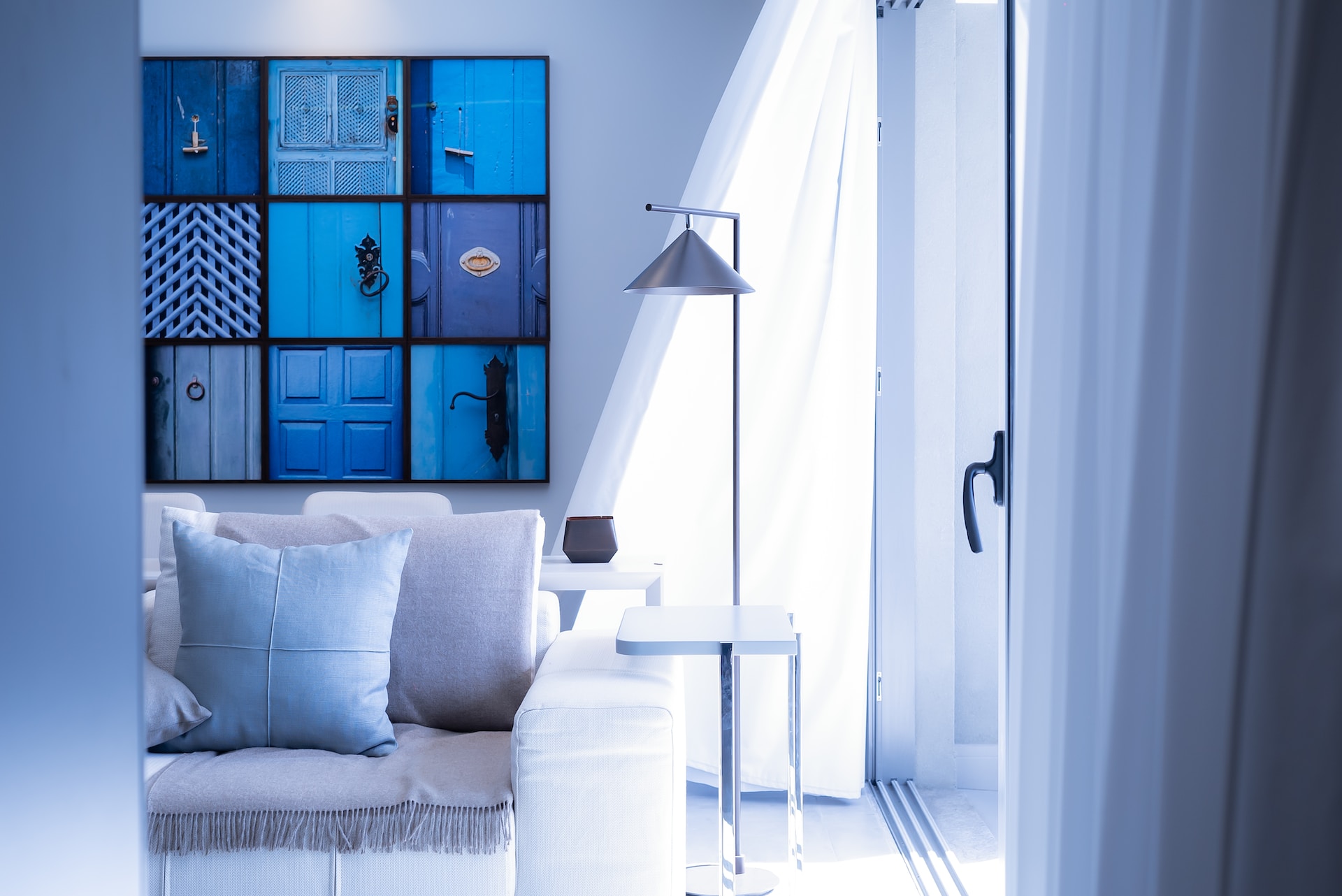
When it comes to designing a space with a certain style, color is an important factor to consider. To make sure the overall look of your home is consistent and cohesive, choose neutral colors that pair well with all the different elements you plan on adding. Soft whites, grays, beiges, and tans make great foundations for any room. From there you can incorporate a few bold colors like deep reds or bright blues to provide accents of interest throughout your space.
Researching Design Styles
Investing time in researching various design styles can inspire you and provide a clear direction for your home’s aesthetic. There’s a wealth of interior design styles, each unique in its aesthetic, from minimalistic Scandinavian to the detailed and rich Traditional style, or the clean lines of Modern design.
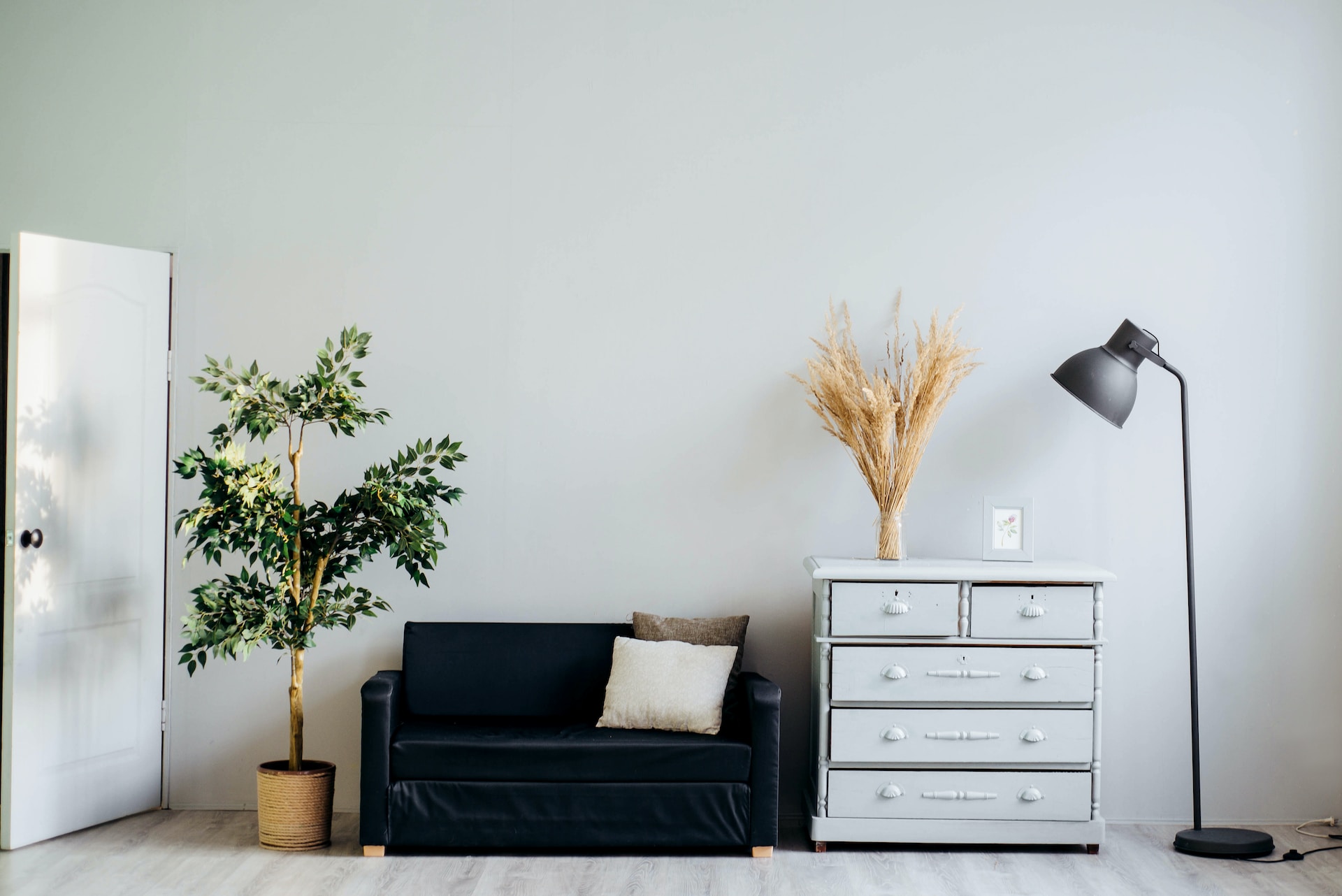
- Scandinavian: Characterized by functionality, simplicity, and the use of natural materials, the Scandinavian style often incorporates white walls to combat the dark winters, warm textiles, and wooden elements.
- Traditional: This style takes inspiration from the 18th and 19th centuries, merging classic art, antiques, and pieces with history. Traditional design is marked by warm colors, symmetrical lines, and a cozy, inviting ambiance.
- Modern: Arising from the modernist movement of the 20th century, Modern design favors a ‘less is more’ approach. It’s characterized by clean, crisp lines, a simple color palette, and the use of materials like metal, glass, and steel.
- Experiment with these or other styles like Bohemian, Rustic, or Industrial and see which one resonates with you. Remember, it’s your home and you can blend different styles to create an interior that truly reflects your personality and lifestyle.
Mood Boards and Inspiration
Once you’ve begun to narrow down your preferred interior design styles, the next step is to create a mood board. This is a visual tool that helps you collate and present your ideas and inspiration in one place. Mood boards can be physical or digital, with the latter being more common in this time of technology. Platforms such as Pinterest and Instagram are great sources for finding design inspiration and creating your boards.
Start by collecting images that resonate with your aesthetic. These images can include furniture pieces, color palettes, fabrics, patterns, room layouts, and more. Don’t limit yourself just to interior design photos! If a particular landscape, artwork, or even a fashion piece inspires you, add it to your board. The goal is to capture the essence of your preferred style.
Gradually, you’ll start to see a pattern emerging in your mood board, revealing a more concrete vision of your home’s style. It’s a fun and creative process that brings clarity to your design ideas and offers a visual direction to your home renovation project. Remember that mood boards are not set in stone. As your style develops and evolves, so should your mood board.
Colors and Palettes
Choosing the right color palette is an integral part of establishing your home’s style. The colors you choose will set the mood of your space, evoke emotions, and tie your design elements together. There are a few steps you can take to identify color schemes that resonate with your aesthetic:
- Find Inspiration: Look at your mood board and identify the predominant colors. You can also find inspiration in your favorite artwork, nature, or anywhere you find visually pleasing color combinations.
- Understand Color Theory: Learn the fundamentals of color theory. Learn about primary, secondary, and tertiary colors. Understand the concepts of analogous, monochromatic, and complementary color schemes. This knowledge will help you create a balanced and harmonious color palette for your home.
- Experiment with Different Shades: Don’t confine yourself to a few colors. Try out various tints, tones, and shades of the colors you’ve chosen. Light shades can make a room look bigger and more open, while dark tones can add depth and create a cozy atmosphere.
- Consider the Mood: Different colors can evoke different moods. For instance, blues and greens are calming, reds and oranges are energizing, and neutrals can provide a balanced backdrop for other colors.
Furniture and Layouts
Once you have a clear idea of your preferred aesthetic, it’s time to select furniture and plan your room layouts. When picking furniture pieces, look for ones that match the style and feel of your home. Consider both form and function – making sure each piece is practical as well as aesthetically pleasing.
To determine the ideal layout or arrangement for each room, take note of the available space and decide on the focal point. If you’re considering multiple furniture pieces in one space, sketch out different possibilities or use online tools to manage them until you find a layout that works for your needs.
Once you have your ideal arrangements and furniture pieces, accessorize with textiles such as curtains, cushions, throws, and rugs to bring your space alive. Choose these elements based on the colors in your palette and preferred style – if you’ve opted for a minimalistic look, pick pieces with clean lines and neutral tones.
In conclusion, finding the perfect style for your home can take a bit of planning and research. It’s a fun and creative process that helps you better understand your aesthetic, discover new styles, and create an interior that truly reflects who you are! With this knowledge in hand, you’re well on your way to creating a beautiful home that speaks to you.